Living in community or sharing a home is no longer viewed as a social experiment but has become part of the mainstream global housing landscape. From co-living developments to multigenerational living arrangements, these models are evolving both as a response to the shortage of affordable housing and as a broader redefinition of what independence and home mean.
Although living alone is becoming increasingly popular (Source: The New Habitat 26/27), affordability is declining rapidly. In many markets, house prices have become detached from household purchasing power. In the United Kingdom, the average home now costs 7.3 times the average annual salary, the lowest level of affordability on record (Source: Lloyds Banking Group). This context is forcing a reassessment of traditional domestic living models: sharing a home is no longer a temporary stage associated with youth, but an economic strategy increasingly adopted by adults, professionals and families. In cities such as New York and Miami, even renting a small studio apartment may require sharing costs with another person due to rapidly rising rental prices (Source: Zillow).
Economic pressure is also reshaping life trajectories and household structures. More and more young adults are returning to the family home because independent living has become unattainable. One in three Americans aged between 18 and 34 now lives with their parents (Source: United States Census Bureau, December 2025), while 23% of British parents report that their adult children have moved back home, with these so-called ‘boomerang kids’ having an average age of 26 (Source: Yonder Consulting/NatWest). At the same time, an ageing population is creating new care and cohabitation needs. In the UK, 2.6 million people are projected to be aged 85 or over by 2039 (Source: Office for National Statistics), prompting many families to reintegrate older relatives into the household. This dual movement – young adults returning home and ageing parents requiring support – is driving the growth of multigenerational living. In the United States, one in four homeowners already lives in a multigenerational household, while 25% of homebuyers are actively seeking properties designed for several generations under one roof (Source: State of Home Spending Report 2024, Agni).
At the same time, the social foundations of cohabitation are also changing. Marriage and romantic partnerships are no longer the primary framework through which people build a home and sense of belonging (Source: The New Habitat 26/27). As trends such as LAT (Living Apart Together) relationships and chosen-family networks become more common, new forms of shared living based on affinity, collaboration and mutual care are emerging. Out of these economic, demographic and cultural pressures comes a new market for communal housing, encompassing everything from multigenerational homes to shared homeownership among friends and alternative domestic arrangements where connection and mutual support form the foundation of everyday life.
‘The value of these shared spaces is not only functional, but social: they allow neighbours to meet, collaborate and build a genuine sense of community beyond their individual homes.’
Saúl Castellanos, AEDAS Homes

In response to these social shifts, architects and designers can no longer design solely for the isolated individual, but must accommodate multiple levels of sociability. Shared spaces are no longer optional extras but central elements of identity: communal kitchens, shared gardens, meeting rooms and co-working areas. These configurations reorient housing towards interaction, exchange and network-building within the same physical environment.
Sociability becomes a design consideration on a par with spatial functionality. Community dynamics – events, shared meals, team sports, well-being programmes and cultural activities – are becoming integral components of residential value and, consequently, of the design process itself. This requires rethinking circulation, spatial hierarchies and the relationship between private and shared spaces, while integrating both aesthetic and social dimensions.
These housing models redefine the meaning of community within the contemporary urban context. Living together ceases to be an abstract ideal and becomes a structured practice, with profound implications for how daily life is experienced: how identity is formed, support networks are built, space is negotiated and belonging is cultivated. At a time when society is experiencing growing social fragmentation, the expansion of communal living solutions represents a response that is both practical and deeply human.
The kitchen expands beyond its domestic function to become a form of community infrastructure. Generous kitchens, communal tables and shared cooking spaces encourage everyday rituals of togetherness that strengthen bonds between residents.
Friends sharing a home, multigenerational families, people moving in and out of the household – each scenario requires specific spatial solutions, such as adaptable rooms, self-contained units within the home or layouts that can be divided or expanded without major renovations.
Shared laundries, workshops, communal kitchens, co-working spaces and storage facilities reduce individual costs while reinforcing the collaborative logic of communal living.
Courtyards, shared gardens, games rooms, gyms and relaxation areas encourage spontaneous encounters. These spaces function as domestic plazas where community life can flourish.
Design must accommodate intergenerational living and varying levels of dependency. Accessible bedrooms, independent accommodation for older adults, spaces where children and adults can comfortably coexist and areas that support shared caregiving all help integrate informal support networks into the home.
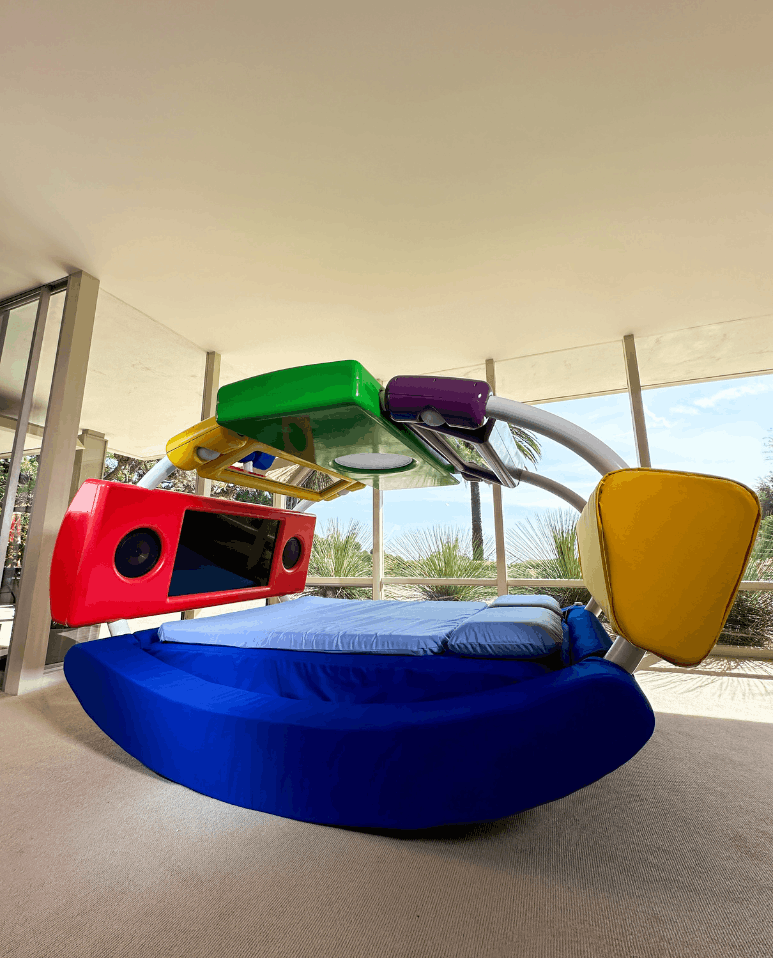
The Three Person Bed, designed by Gustaf Westman in collaboration with Feeld, reimagines domestic furniture through new forms of relationships and cohabitation. With its generous, organic design, the piece challenges the traditional model of the double bed and proposes a more flexible space that reflects the diversity of contemporary relationships and living arrangements.
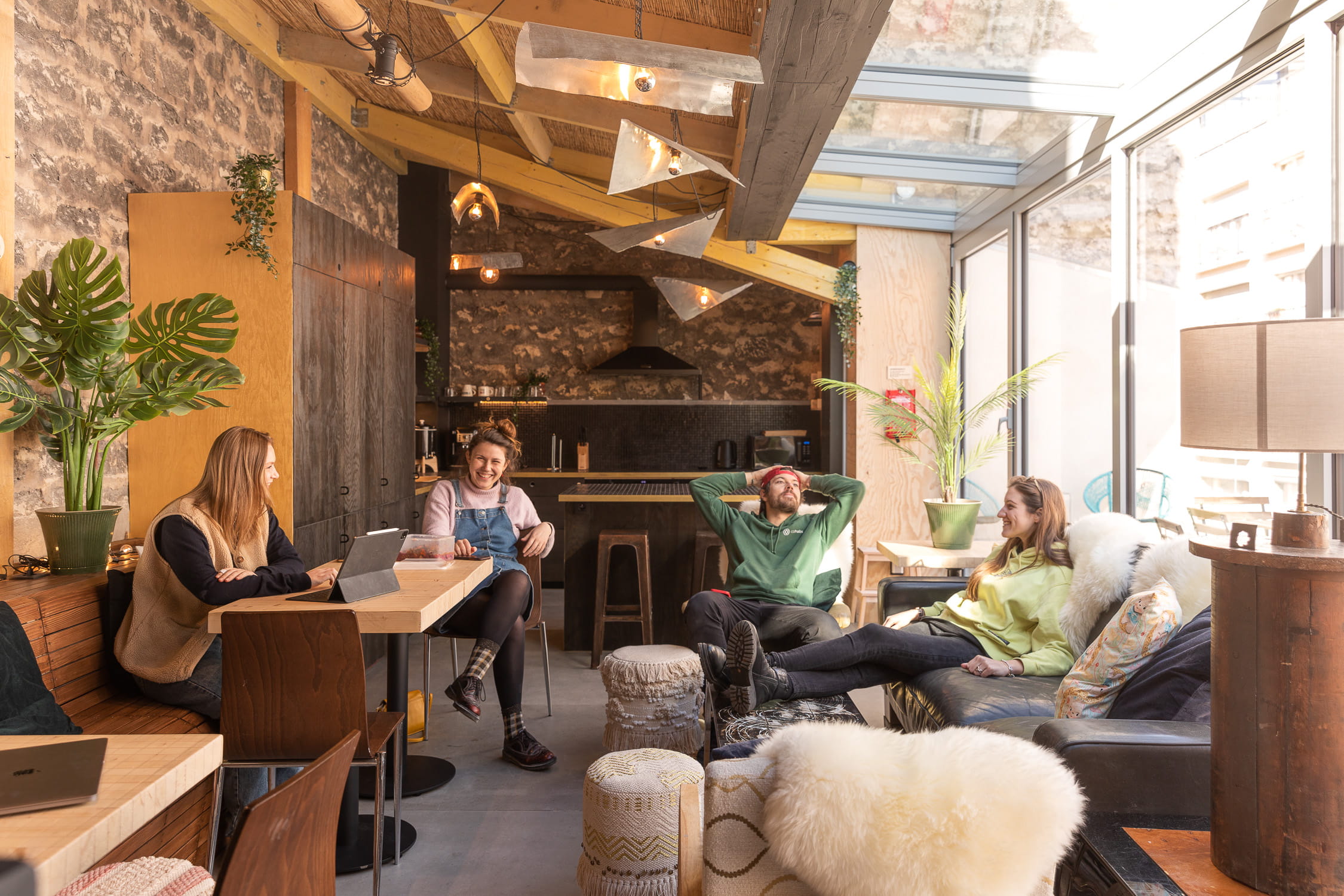
Cohabs is a contemporary co-living community in Brussels, Belgium, offering stylish all-inclusive shared homes for people seeking meaningful connections.
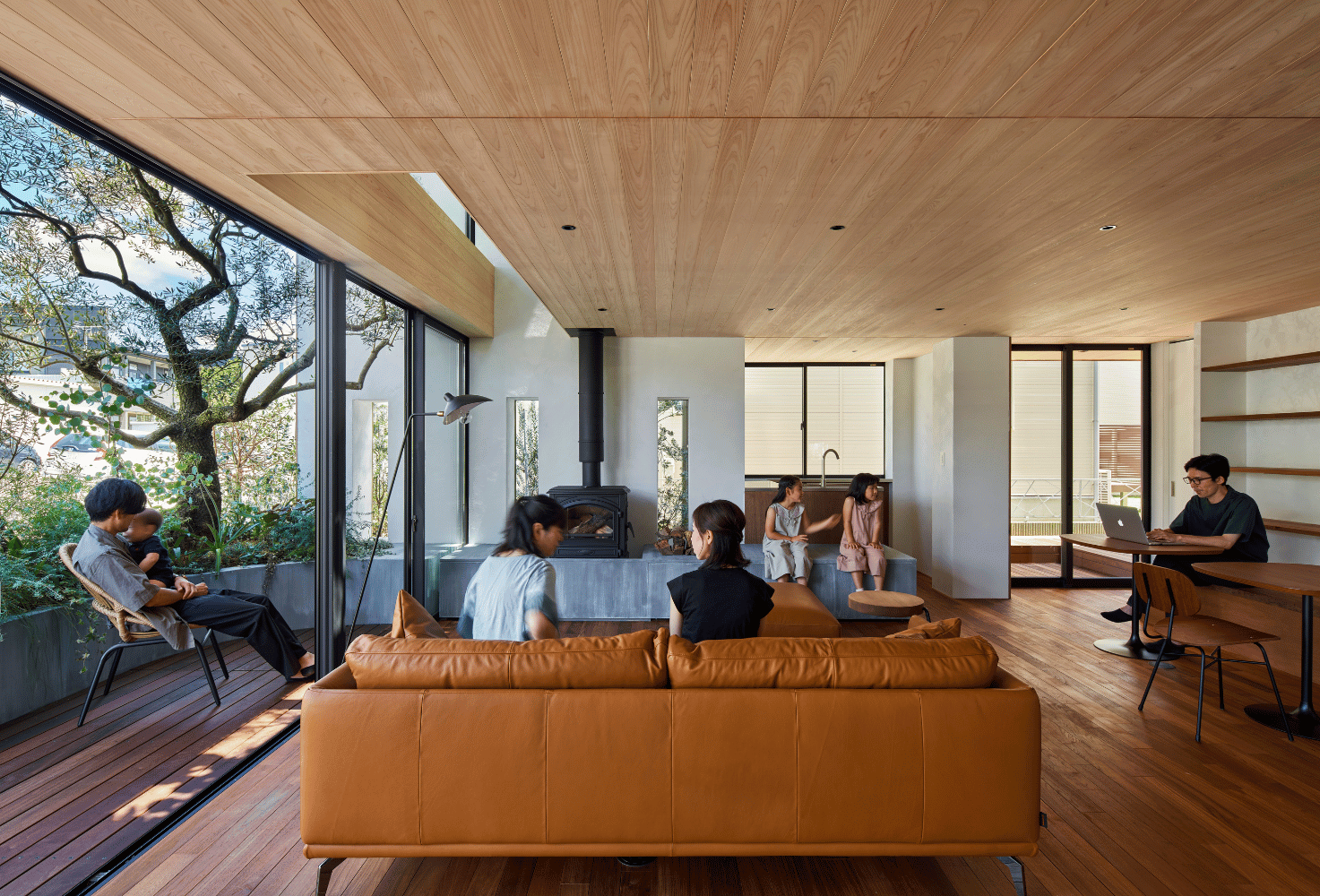
Kamakura Studio (Japan) designed the ground floor of House F as ‘a place where neighbours can drop by casually’, with the aim of encouraging relationships within the local community.
Project Name: HOUSE F. Architect/Designer: Kamakura Studio Co., Ltd. Photographer: Koji Fujii (TOREAL).
Do you like this trend? Leave us a like:
Share:


Do you like this trend? Leave us a like:
1Share: