Retail is no longer imposed on the city; it is learning to integrate with it. In a context of digital saturation and omnipresent commerce, physical stores are increasingly shaped by their surroundings, adopting local rhythms and allowing themselves to be permeated by local culture.
Leisure time in cities is being redefined. Following the pandemic, commercial spaces regained much of the footfall lost during periods of lockdown. In fact, shopping centres with experiential offerings recorded an 18–22% increase in dwell time compared with traditional formats (Source: Placer.ai Retail Insights Report, 2024). This increase in footfall has also been fuelled by the recovery of global tourism. As travel continues to grow, it is becoming one of the primary contexts for consumption, with international arrivals projected to reach 1.8 billion by 2030 (Source: UN World Tourism Organization). In this landscape, retail has a new opportunity: to become part of the travel experience as a point of cultural connection.
This is particularly relevant in a context of growing urban homogeneity, as travellers increasingly seek local and meaningful experiences. Faced with global standardisation, consumers are looking for offerings rooted in the places they visit: stories, collaborations and activations that make sense only in that specific location. Retail is moving away from replicating the same formats across the globe and towards interpreting places, integrating local culture, identity and community into its proposition.
Travel retail further amplifies this trend. The global travel retail market reached approximately USD 72 billion in 2023 and is projected to exceed USD 130 billion by 2030 (Source: Grand View Research, Duty Free & Travel Retail Market Report, 2023). Airports and international transport hubs now function as more than transit spaces; they are commercial micro-cities where retail operates as a form of entertainment.
The social dimension is equally important. Some 55% of consumers consider human interaction important in physical stores (Source: Global Consumer Insights Survey, PwC, 2023). In an increasingly digital world, face-to-face interaction becomes a key differentiator.
‘The relationship with a brand is redefined when users stop being spectators and become active participants in the experience.’
Julia Naranjo, Brand Marketing & Communication
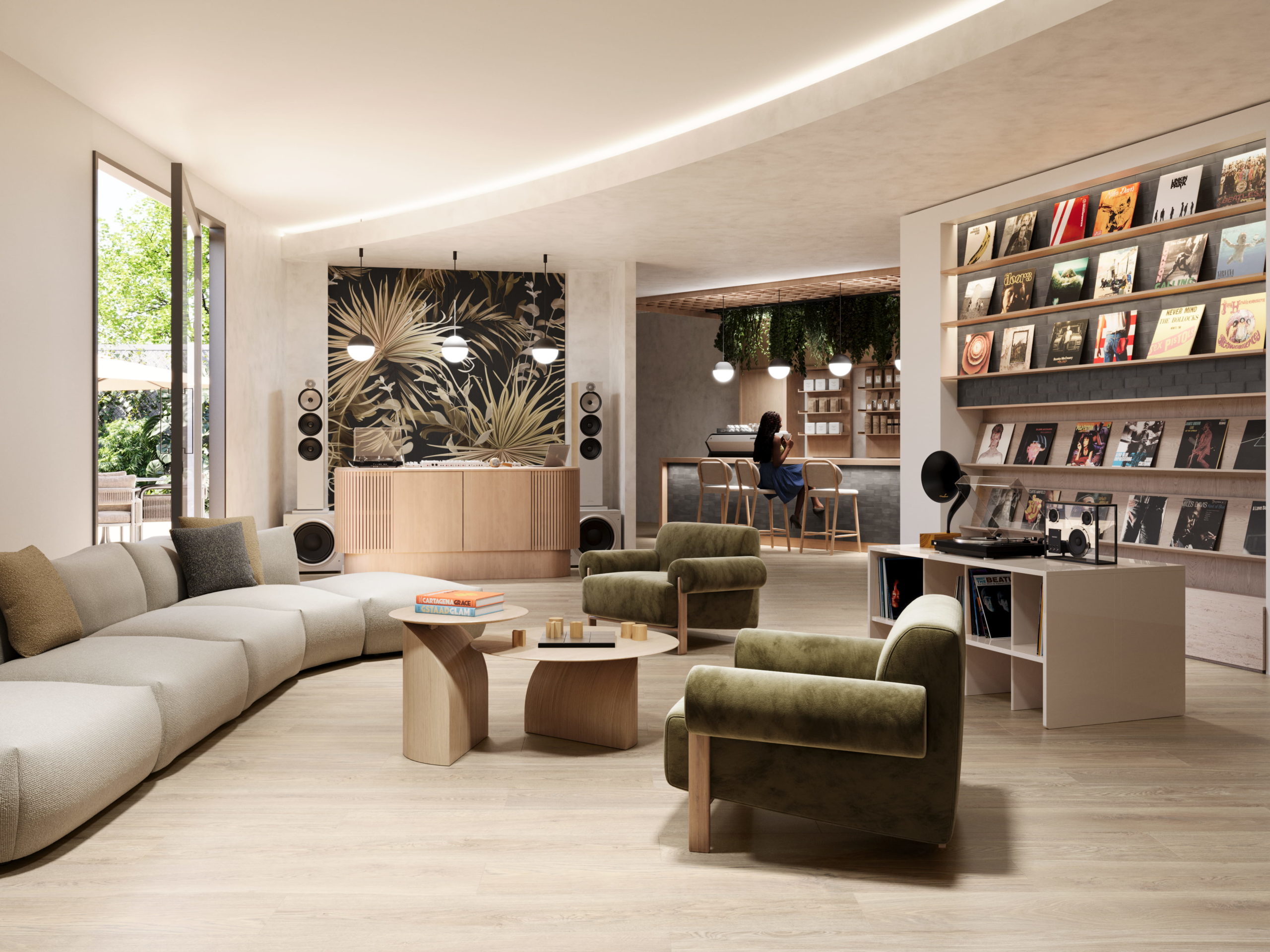
Stores are becoming micro-destinations within the city, acting as repositories of cultural capital. Examples such as Chanel’s contemporary art library in China demonstrate how brands are beginning to offer freely accessible spaces centred on knowledge, culture and creativity.
A profound convergence between tourism and consumption is also emerging. Retail becomes part of the traveller’s itinerary as another experience within the destination itself. Phenomena such as grocery store tourism – where 77% of travellers enjoy visiting local supermarkets (Source: Hilton 2026) – demonstrate how even the most everyday spaces can become gateways to local culture.
Finally, a redistribution of urban value is taking place. Retail is no longer concentrated solely along traditional commercial corridors, but is expanding into neighbourhoods, secondary destinations and tourist enclaves, activating new centres of activity and helping redefine the urban map.
Stores increasingly incorporate areas where visitors can spend time without any obligation to purchase: libraries, cafés, lounges and relaxation areas. Retail adopts qualities traditionally associated with public space, inviting people to inhabit it as another part of the city.
Spaces are conceived as immersive environments, where colour, materiality, light and sound combine to create memorable experiences. The objective goes beyond product display to creating environments that place visitors within a specific context while reinforcing brand identity.
Through local materials, cultural references and site-specific programming, each space becomes a unique interpretation of its surroundings, moving away from global standardisation.
Supermarkets and local food stores are being reimagined as cultural experiences. Clear layouts, prominent displays of local products and contextual storytelling help transform everyday shopping into an act of discovery.
The boundaries between inside and outside become increasingly blurred. Permeable ground floors, open entrances and fluid circulation integrate retail into the urban fabric, turning it into a natural extension of public space.
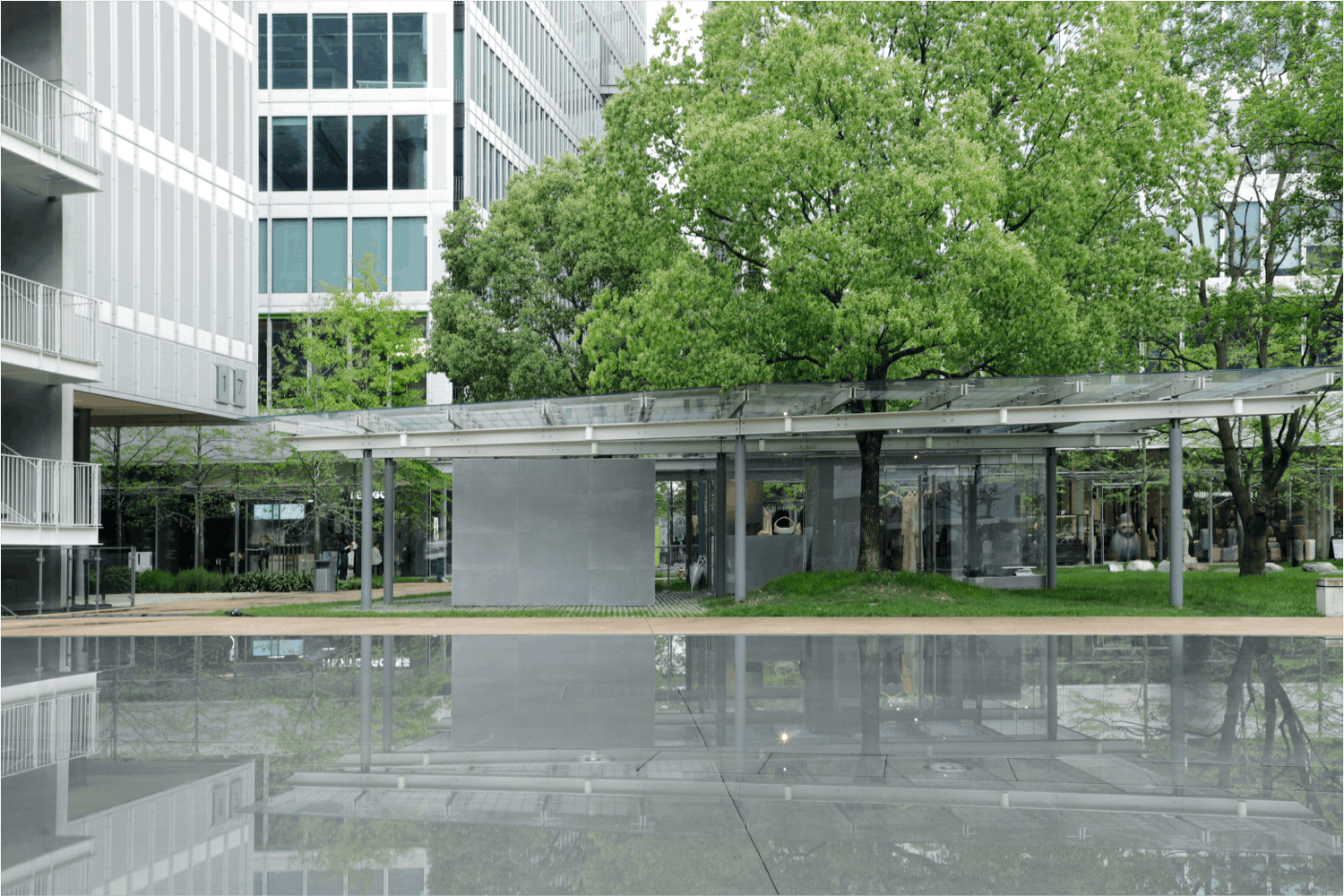
Chinese contemporary womenswear brand RUOHAN has opened a distinctive store in the heart of OōEli, a mixed-use urban development in Hangzhou. Created in collaboration with local concept store B1OCK, RUOHAN’s Sliced B1OCK / Framed Store features smooth monolithic granite slabs set against a bed of coarse gravel beneath. Arranged to serve different functions, some operate as a checkout counter, fitting room, display area and storage space.
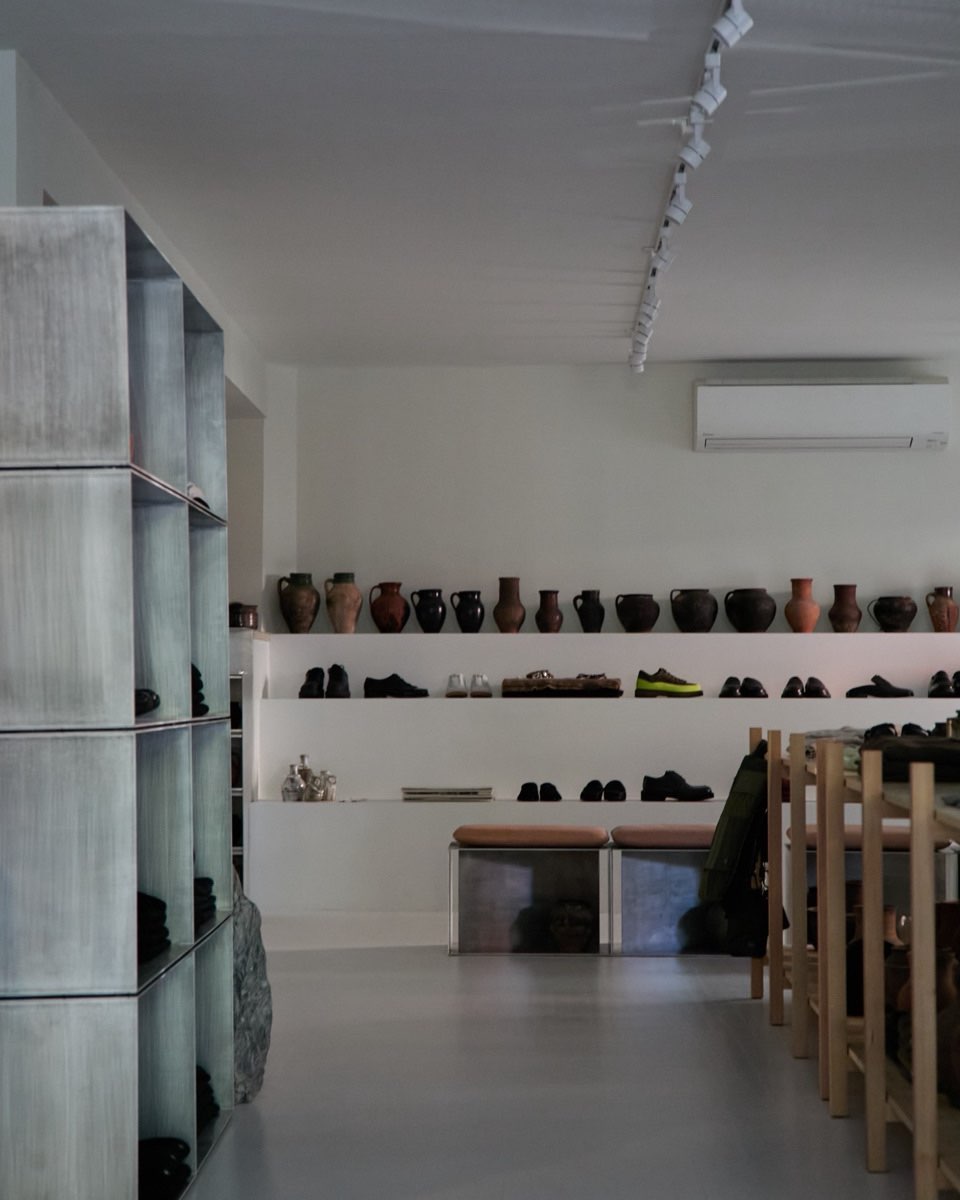
Ven.Space is founder Chris Green’s response to a world that is constantly online. Located in a quiet Brooklyn neighbourhood in New York, this menswear store proudly embraces being unplugged, with no e-commerce website and only a minimal social media presence. Inspired by Green’s own home, both the interiors and the product offering reflect his personal vision. Every detail is carefully curated by Green himself, from the clothing to the music, which changes each month to match the atmosphere of the store. By emphasising the tactile experience, customers are encouraged to touch, feel and explore garments that cannot be fully appreciated online.
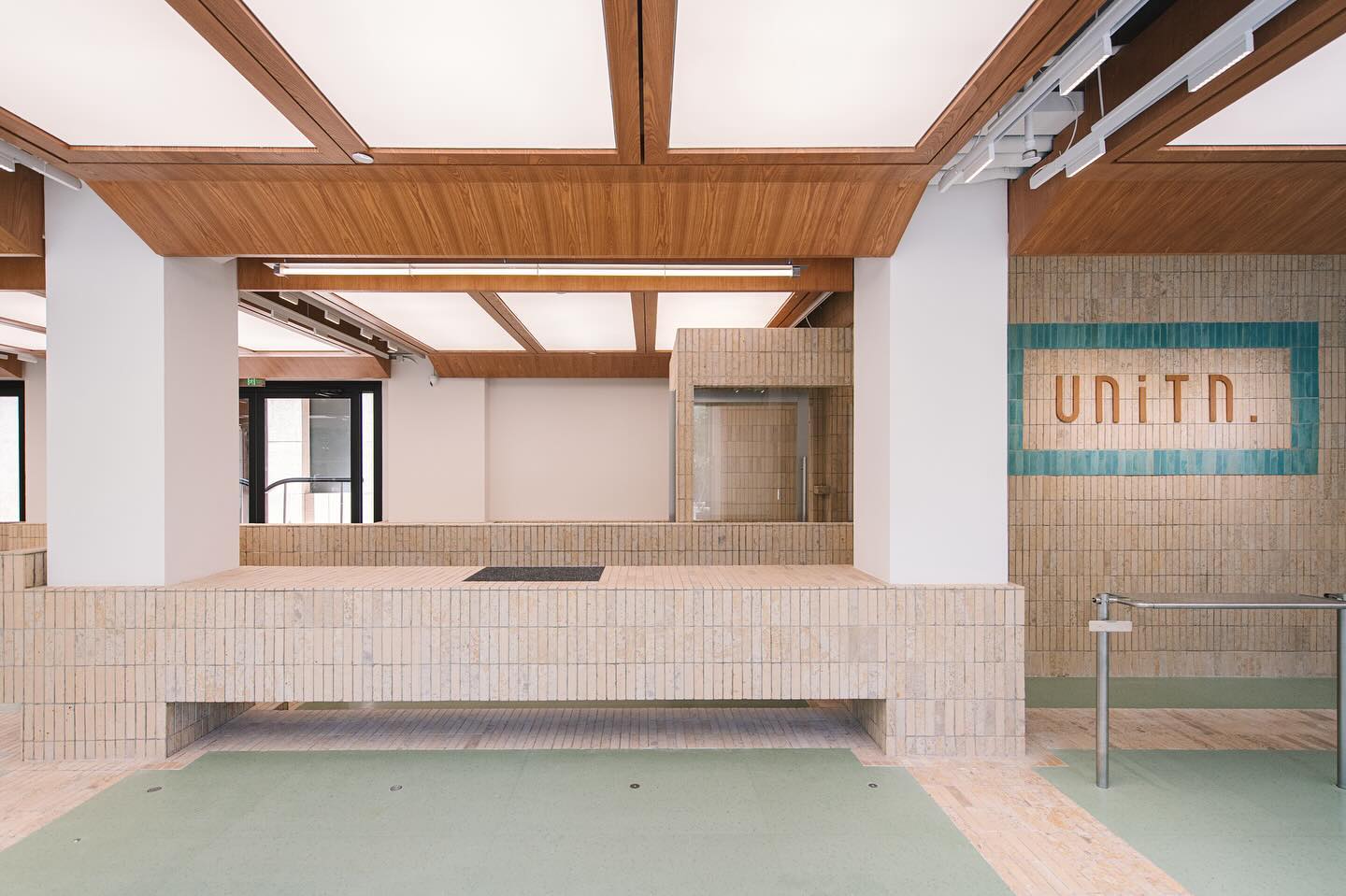
Located in Shanghai’s Rockbund district, UNiTN. is a two-storey multifunctional space designed to bring the creative community together through fashion, art and design. Conceived as a cultural hub for creativity and innovation, and backed by Hypebeast and local brand FiSN, UNiTN. hosts exhibitions and pop-up stores while also offering a curated selection of clothing from international brands.
Do you like this trend? Leave us a like:
Share:


Do you like this trend? Leave us a like:
0Share: