While many wellness spaces focus on physical recovery and optimisation, a new generation of hospitality environments is moving beyond these ideas, shifting the focus towards emotional presence, ritual and collective healing. What were once treatments aimed at improving physical health, often experienced in isolation, are evolving into shared experiences that support deeper personal transformation.
We are living through an era of digital fatigue, with almost half of people acknowledging that they spend too much time alone in front of screens (Source: Holmen). The impact this has on our health had long been suspected, but until recently remained difficult to prove conclusively. However, a growing body of research linking loneliness to adverse health outcomes is now emerging, leading to long-awaited institutional recognition. In May 2023, the US Surgeon General’s Advisory declared loneliness a public health epidemic, revealing that its effects on the body can be as harmful as smoking 15 cigarettes or consuming six alcoholic drinks a day.
Since then, momentum has continued to build. In November 2023, the World Health Organization (WHO) launched a Global Commission on Social Connection to highlight the fundamental role that human relationships play in health throughout life. More recently, in February 2025, social isolation was formally recognised as a key determinant of poor mental health during a meeting of the WHO Executive Board, signalling a broader shift in priorities at the highest levels of policymaking (Source: Health Policy Watch).
As digital saturation intensifies, the desire for in-person experiences that foster genuine human connection continues to grow. Increasingly, people are seeking community in groups built around shared values, rituals and reciprocity rather than followers or ‘likes’. This transition reflects a broader change in mindset: well-being is no longer associated exclusively with indulgence or escapism, but increasingly linked to purpose, self-care and personal growth.
‘Well-being is no longer purely individual; it is increasingly experienced as something shared. This is changing how spaces and services are designed, because guests are seeking emotional connection alongside personal care.’
Carolina Cevallos Vélez, Six Senses
The hospitality industry is responding to this shift with a new generation of spaces that function as micro-ecosystems for personal transformation. Within these environments, well-being extends beyond treatments and is expressed through forms of collective self-care.
In this context, wellness is no longer an ancillary service but a strategic core offering. Chains such as Rosewood (Qatar) have repositioned entire brands as social wellness clubs, integrating thermal spaces designed explicitly to encourage social connection. Membership transforms the hotel into a social club, blurring the distinction between guest and local community.
Spatially, the traditional spa is giving way to hybrid configurations. Subterranean spaces designed for silent immersion coexist with upper levels dedicated to conversation, while luxury medical spas sit alongside social pools. Bathing is no longer confined to a private treatment room; it becomes a contemporary gathering place. The emergence of new bathhouses represents a natural evolution of this trend. They are not inventing communal bathing – a practice that has existed for thousands of years – but repositioning it in cities without thermal traditions as a hybrid model combining community, membership and cultural programming. Significant investment in wellness-focused social spaces of more than 3,500 m² – such as Bathhouse Chicago, designed by Gensler and opening this spring – confirms that this is not a passing aesthetic trend, but a structural shift.
Hotels and resorts are becoming places of connection, offering collective rituals and activities that foster a sense of belonging. The value lies not only in the service provided but in the ability to cultivate community.
Hospitality brands will need to redefine luxury beyond price and exclusivity, linking it instead to emotional resonance and authenticity.
Traditional spas organised space around individual treatment rooms and specific services. Today, design must accommodate collective rituals. This requires flexible environments, circular furniture arrangements and atmospheres that encourage introspection and emotional connection.
If travel is a transformative process, the space should support that journey. Circulation should be designed as a narrative sequence, guiding guests from bright, social environments towards quieter, more introspective or subterranean spaces.
Materials should engage both the body and the senses. Natural stone, untreated wood and organic textiles encourage tactile engagement, reduce cognitive overload and promote a stronger sense of physical presence.
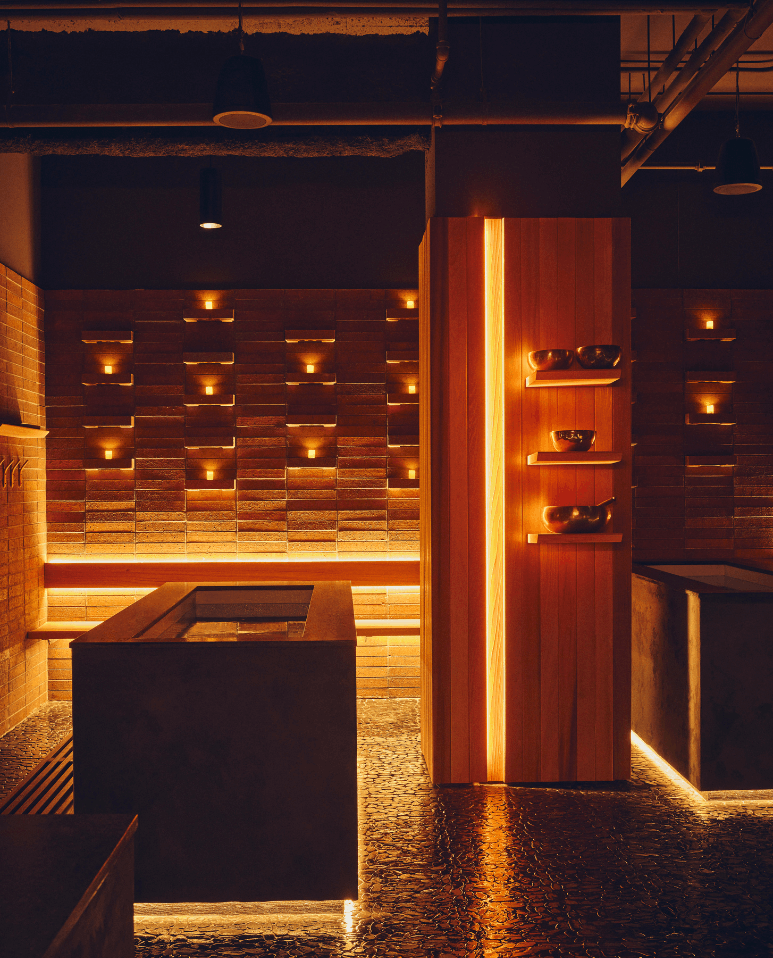
Hume, in Los Angeles, is an urban wellness club inspired by the communal rituals of traditional bathhouses. It presents itself as a members’ community designed to ‘simplify and inspire the consistent practice of self-care’, not only as a place to relax but also as a space for meaningful connection.
Photography: Yoshihiro Makino.
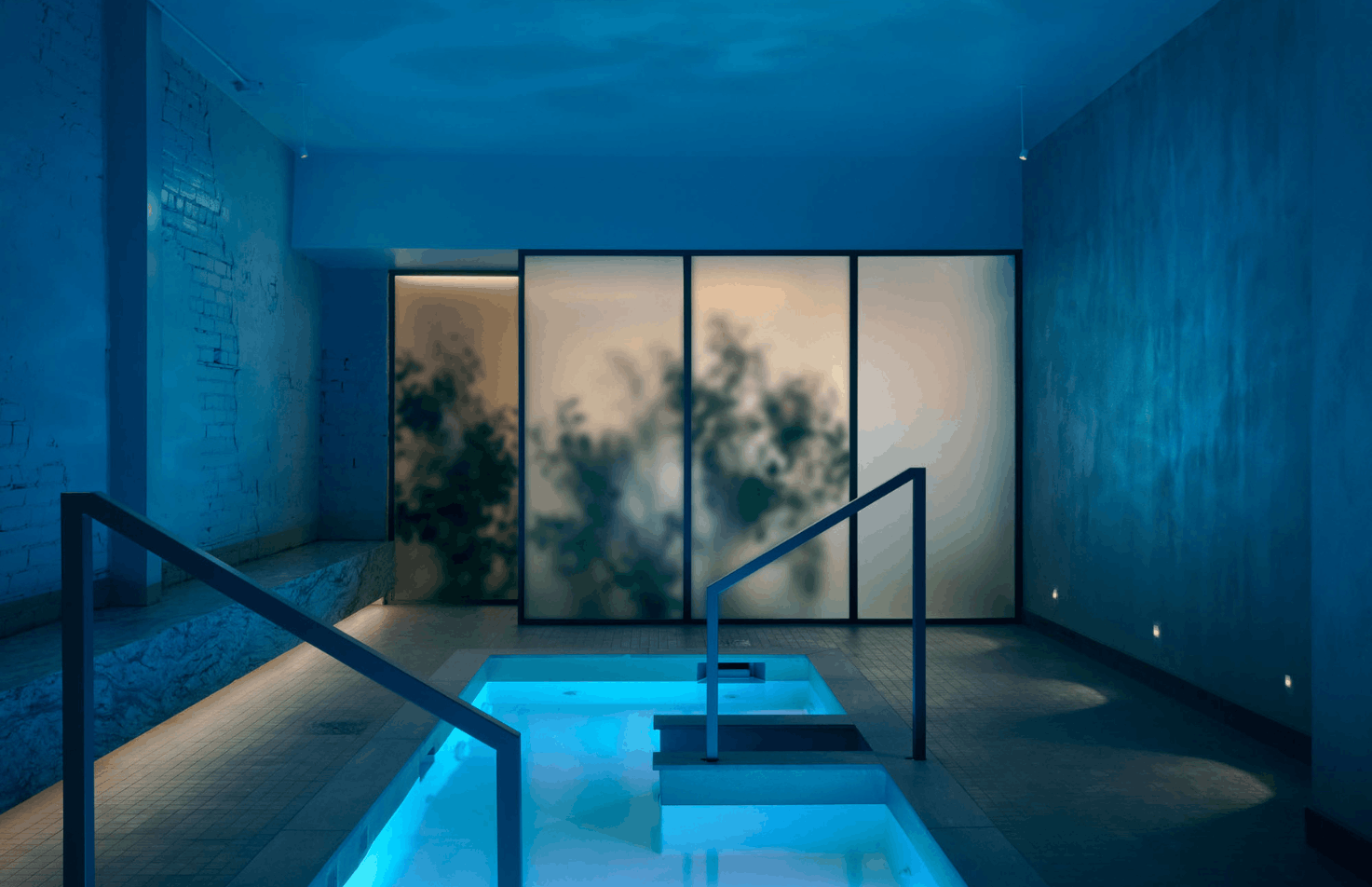
Aesop Recess in Montreal is conceived as a space for inner transformation and self-exploration. Rather than offering superficial wellness, the project creates rituals that encourage a more conscious relationship between space, body and state of mind.
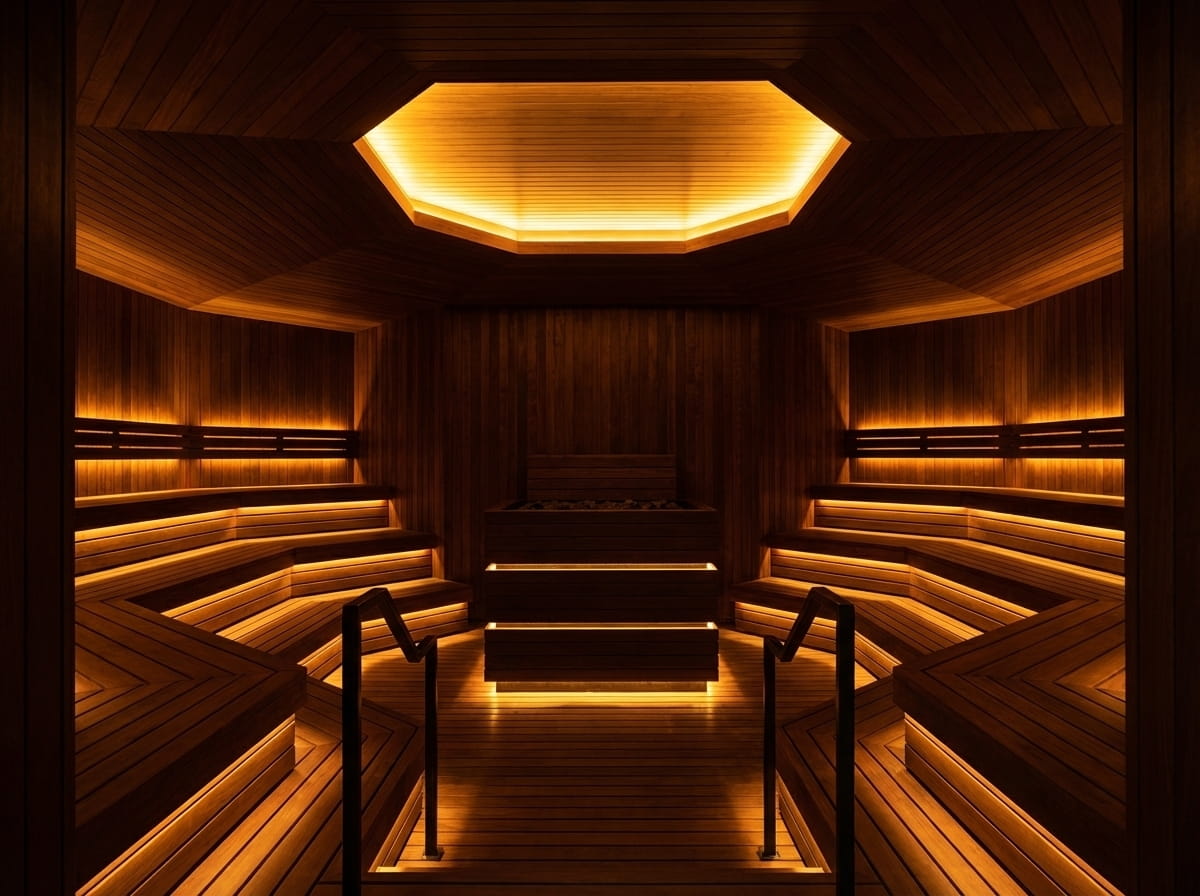
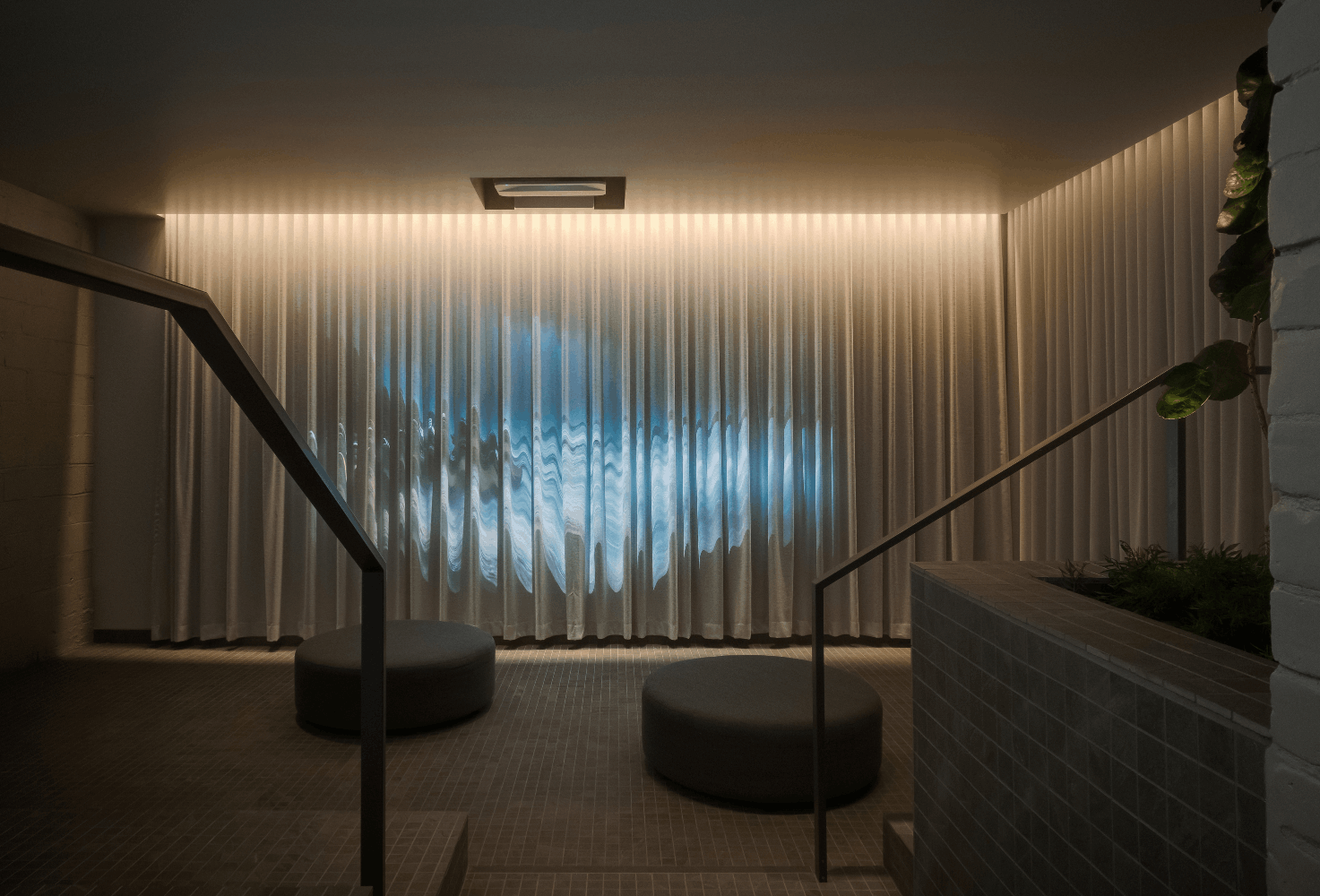
Othership (Toronto) redefines collective wellness through a combination of saunas, ice baths, guided breathwork and shared emotional experiences. More than a traditional spa, it presents itself as an emotional wellness experience designed to foster connection, presence and personal transformation through community.
Do you like this trend? Leave us a like:
Share:


Do you like this trend? Leave us a like:
1Share: