The idea of domestic cleanliness is changing radically. We are no longer talking only about dust, stains or visible clutter. Modern life has introduced far more complex invisible pollutants: microplastics from electronic devices, particles generated by natural disasters, urban industrial residues and nano-contaminants that infiltrate the air and settle on surfaces without leaving any obvious trace.
The first signs of this aspirational concept of cleanliness emerged in the late 2010s, when a new domestic culture centred on order and cleanliness as pathways to well-being began to take hold. In 2018, a wave of ‘cleanfluencers’ appeared on social media, followed in 2019 by Marie Kondo’s Netflix series Tidying Up with Marie Kondo, which propelled her to global fame as a guru of organisation and decluttering. During the pandemic, this sensibility intensified and the concept of clean living spread across multiple sectors – clean food, clean beauty and clean medicine among them – while platforms such as TikTok popularised the #CleanTok phenomenon. With billions of views and a 26% increase in engagement between April and June 2025 compared with the same period in 2024, #CleanTok functions both as entertainment and as an educational resource for learning household cleaning techniques and discovering products (Source: TikTok). As a result, keeping a home clean is increasingly understood as a practice linked to mental well-being, self-care and a sense of control.
This emerging culture of cleanliness also coincides with growing concern about environmental health. By 2030, between 60% and 68% of the global population is expected to live in urban areas, compared with 55% in 2018 (Source: United Nations). Urban life entails greater exposure to pollutants associated with traffic, industrial emissions and the urban heat-island effect, which concentrates airborne particles in cities (Source: Pollution Sustainability Directory). This reality is heightening awareness of the relationship between environment and illness, while fuelling growing concerns around microplastics, air quality and endocrine disruptors.
‘Today we expect more from our homes: not just functionality, but emotional balance; spaces that make us feel protected, understood and genuinely at ease.’
Monica Armani, Monica Armani Design & Development
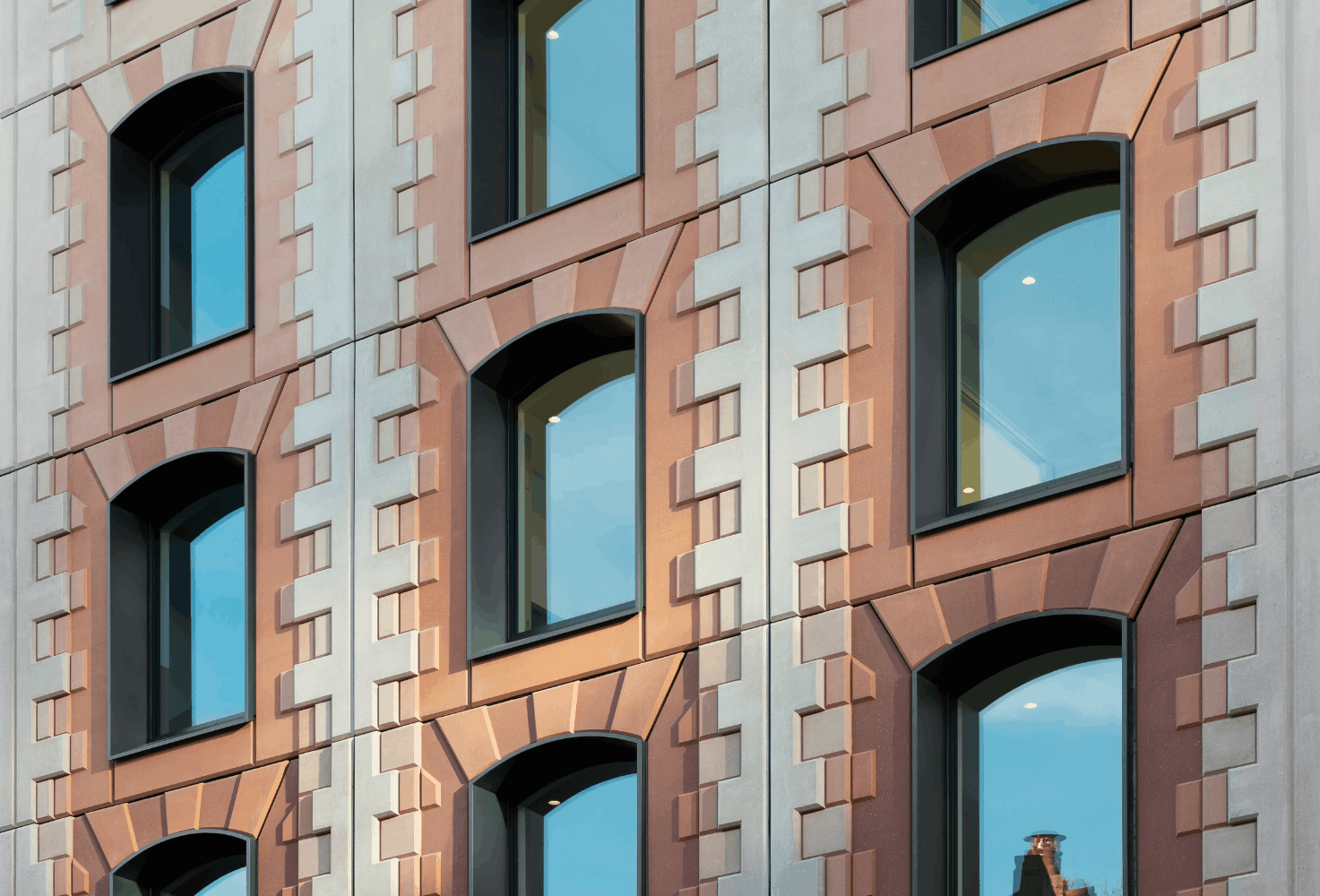
As a result, the concept of cleanliness is evolving towards a health-first approach, where being ‘clean’ is no longer defined solely by the absence of visible dirt, but by the ability to prevent invisible risks. The home is increasingly conceived as an extension of preventive healthcare, and reducing exposure to toxins is becoming a widespread expectation. This shift reflects growing awareness of daily exposure to potentially harmful substances: it is estimated that around 3,601 chemical compounds enter the body through food packaging and kitchen utensils alone (Source: Journal of Exposure Science and Environmental Epidemiology).
It is therefore unsurprising that technologies such as advanced filtration systems, integrated air purifiers, air-quality sensors and AI-powered solutions are transforming the home into a monitored environment capable of detecting and neutralising invisible threats. Interest in these technologies is growing rapidly. In the United States, 80.5% of consumers are interested in water filters capable of removing microscopic particles through nanotechnology or graphene filtration, while 69.2% are interested in AI-powered air purification systems (Source: Mintel 2026 Household Global Predictions). At the same time, more natural solutions are also gaining prominence. Global searches for ‘air-purifying plants’ have increased by 850% year-on-year (Source: Pinterest Fall Trend Report 2024), reflecting a growing desire to improve indoor environmental quality through accessible, nature-based strategies.
Yet this renewed focus on cleanliness extends beyond physical health. Cleaning is no longer viewed simply as a practical chore but increasingly as a ritual associated with psychological well-being. In fact, 70% of consumers in the United States say that having a clean home gives them a sense of accomplishment; 66% report that it improves their mood, 63% say it boosts productivity and 60% believe it reduces stress and anxiety (Source: American Cleaning Institute). Cleanliness is therefore evolving from a daily obligation into an integral part of a self-care culture, where the home serves as the first line of defence against the invisible risks of the modern world.
Footwear can introduce chemical substances into the home, which is why the entrance hall is becoming an important transition zone between the outside world and the rest of the house. Creating a dedicated area for leaving outdoor dirt behind is an effective way to reduce contamination indoors. Storage solutions and designated spaces for outdoor clothing and shoes are becoming essential for limiting the introduction of unwanted pollutants into the home.
Vegetable oils for protecting timber, paints made with biodegradable pigments and bio-based adhesives – such as those derived from corn starch – offer performance comparable to conventional products while reducing chemical and environmental impact.
The selection of textiles and finishes should prioritise materials free from potentially harmful compounds. Replacing plastic-derived synthetic fabrics with certified natural fibres – such as cotton, linen and wool carrying GOTS, OEKO-TEX or GREENGUARD certifications – helps reduce the presence of residual chemicals in everyday items such as bedding, blankets and towels.
The kitchen is a major source of daily exposure to invisible toxins, found in materials such as plastics, non-stick coatings, adhesives, sealants and cooking systems. In response, design is moving towards a more conscious selection of safe, stable materials, alongside new approaches to preparing, cooking and storing food that minimise chemical migration.
Prioritising natural, sustainable and bio-based construction materials can significantly improve indoor air quality. Hempcrete, for example – a regenerative, carbon-negative material made from hemp – is gaining momentum as it moves towards becoming a mainstream construction material in the United States.
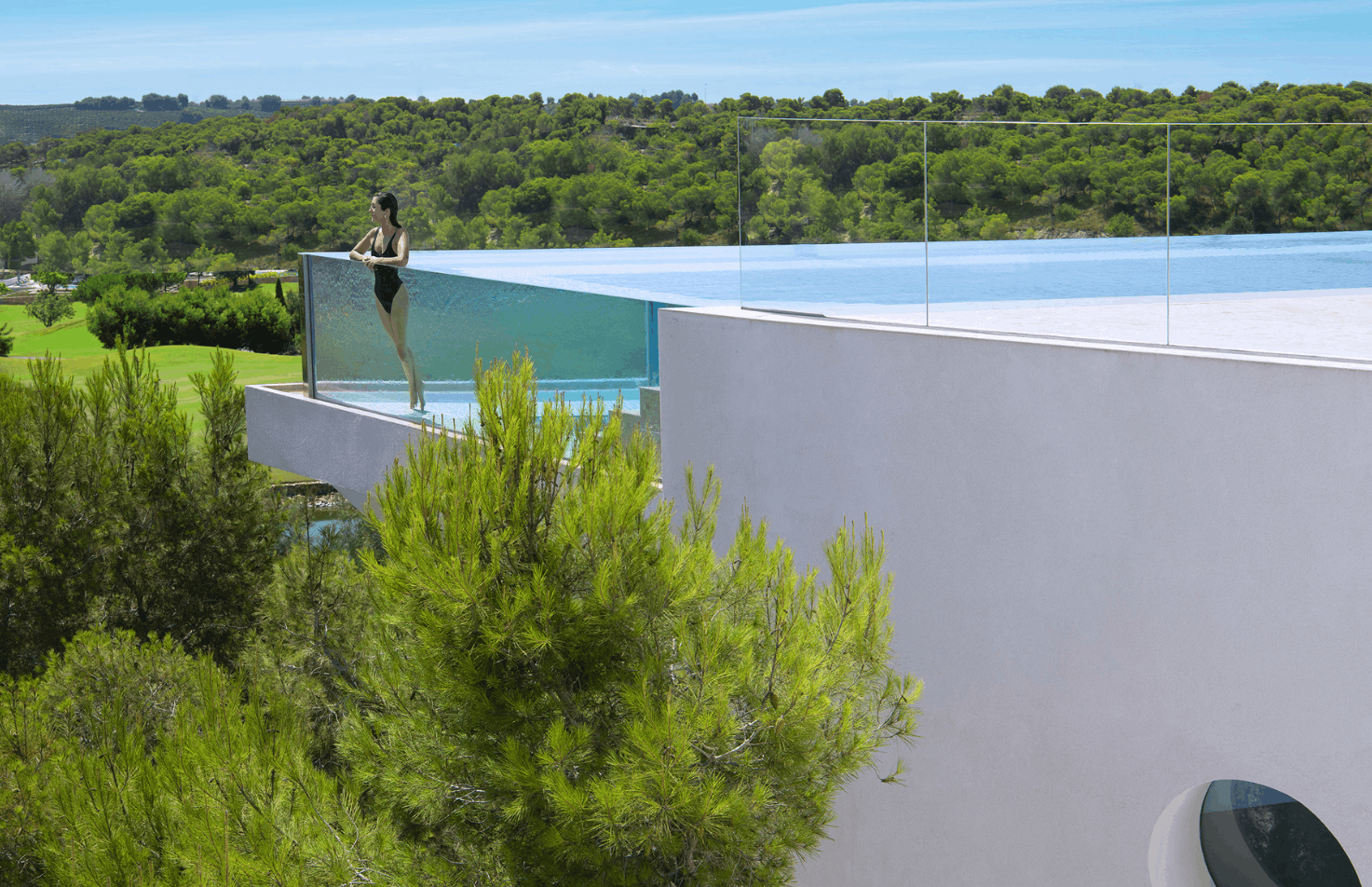
In the Morning Breeze Villa, designed by Monica Armani, the concept of a healthy home is expressed through an architecture that prioritises a strong connection with its surroundings and material purity. Through the use of local materials, openings that encourage natural ventilation and a carefully considered approach to light, the home is conceived as a balanced ecosystem where the built and natural environments coexist in harmony. The project redefines luxury as invisible well-being: design decisions that not only reduce environmental impact but also enhance air quality, sensory comfort and the health of those who live there.
Paper-based countertops such as Richlite offer a healthier and more sustainable alternative to conventional synthetic materials. Made from compressed recycled paper bonded with bio-based resins, they are valued for their durability, heat resistance and low emissions of volatile organic compounds (VOCs), making them particularly well suited to interiors that prioritise air quality and a low-tox approach.
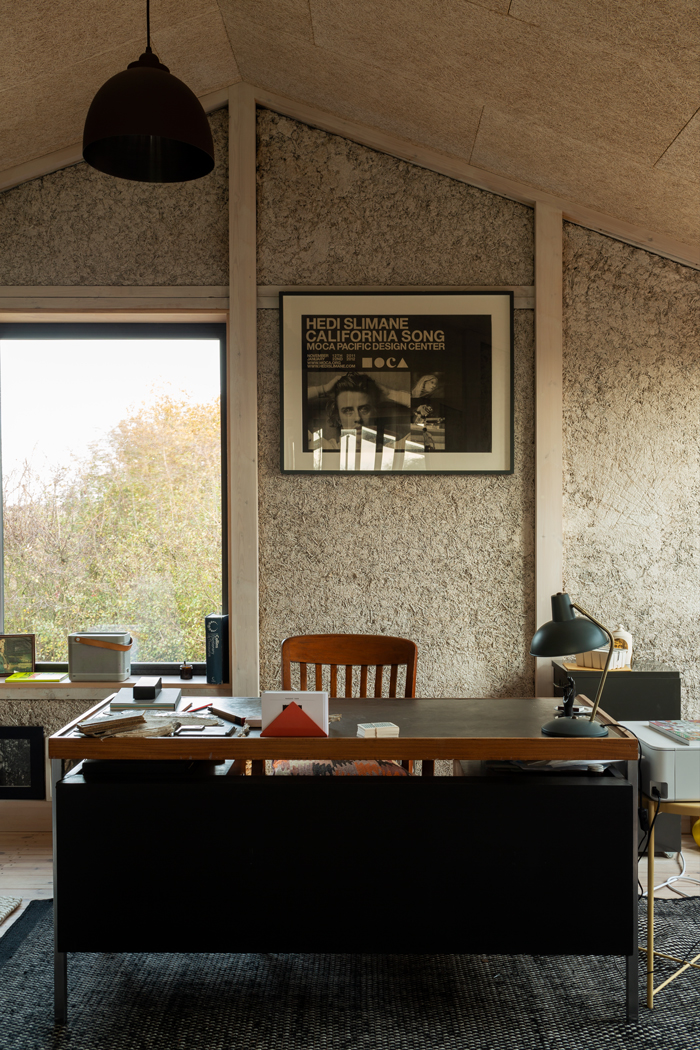
Flat House explores new approaches to sustainable construction through the use of bio-based materials such as hemp. The project demonstrates how low-impact building systems can reduce embodied carbon while creating warm, natural interiors.
Practice Architecture. Project: Flat House. Architect: Material Cultures. Photography: Oskar Proctor.
The Trace project by Bureau de Change explores the principles of circular design through the use of reclaimed materials, demountable components and construction techniques intended to facilitate future adaptation and disassembly. The project demonstrates how architecture can reduce waste and extend the lifespan of materials from the earliest stages of design.
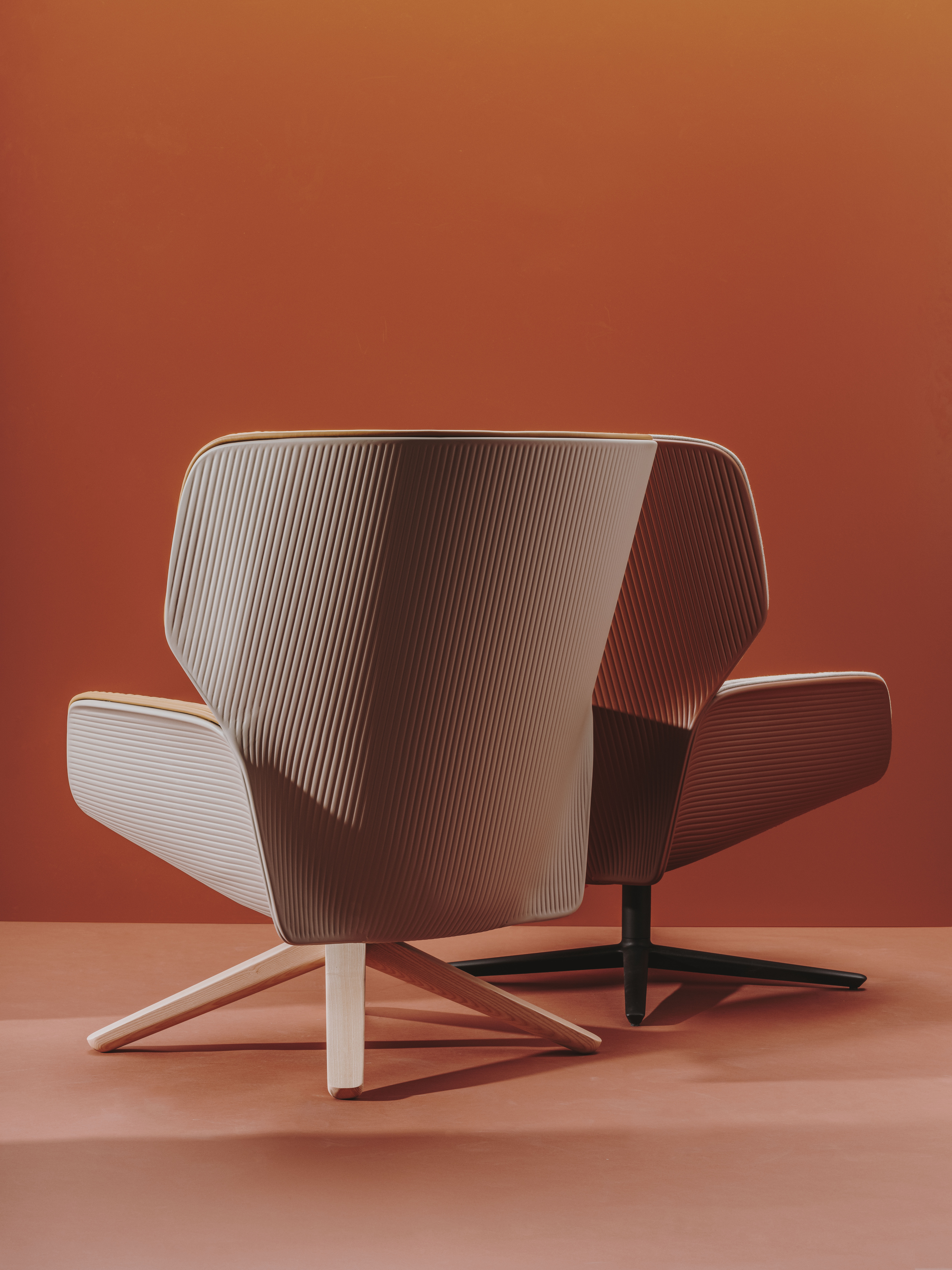
The Calma armchair by Andreu World has been designed without the need for adhesives, making it easier to recycle at the end of its life cycle.
Do you like this trend? Leave us a like:
Share:


Do you like this trend? Leave us a like:
1Share: