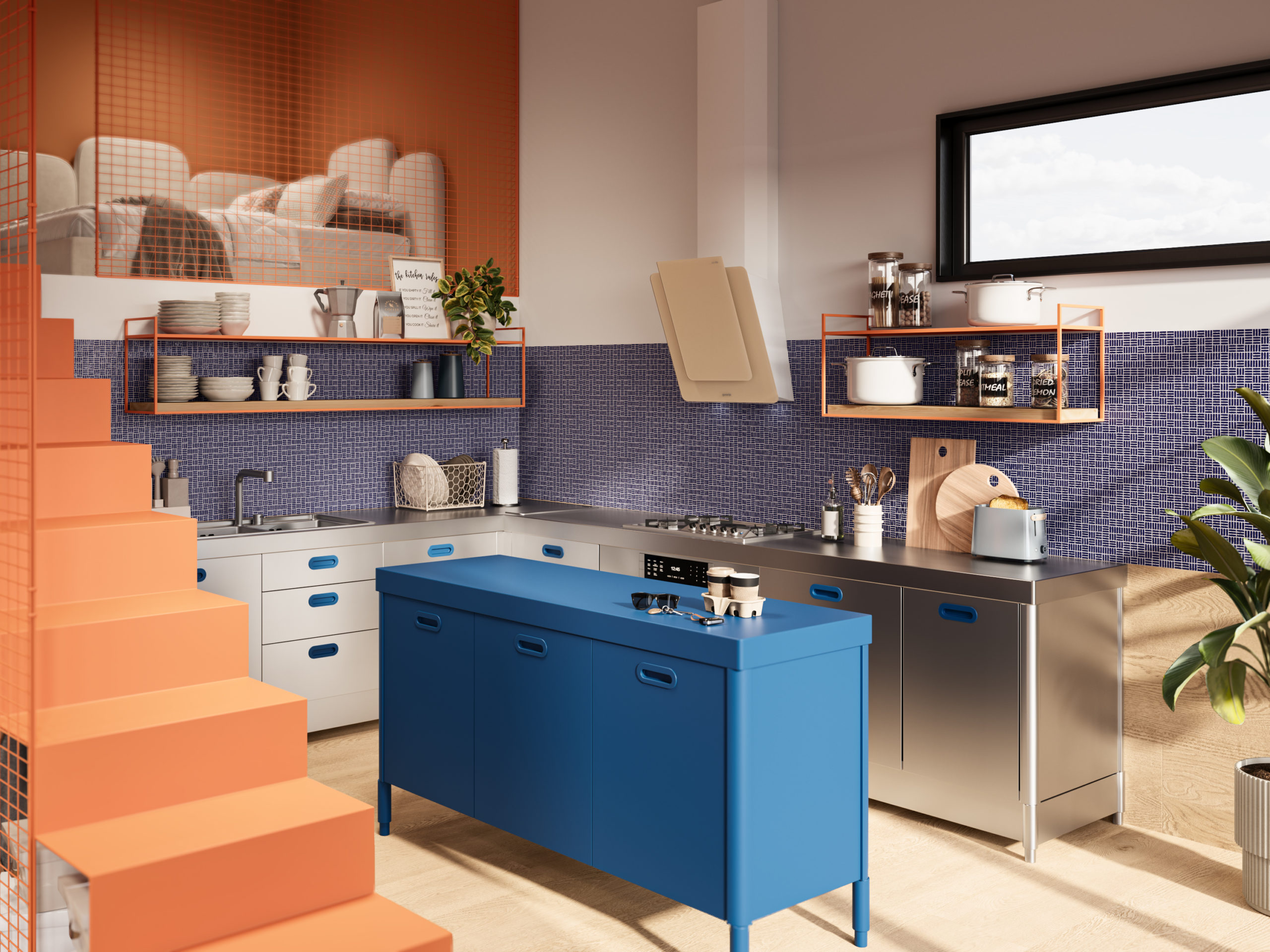
The sixth edition of The New Habitat 27/28: How the Spaces We Inhabit Are Changing, APE Grupo’s annual trends report, identifies a shift in the way spaces are designed. While artificial intelligence is rapidly becoming part of creative and management processes, the objective measurement of sustainability is progressing at a much slower pace.
Developed in collaboration with the trend intelligence consultancy Futurea, the study combines international research, an expert panel and a survey of 352 professionals working in design, architecture and space creation across Spain.
Among its key findings, the report reveals that seven in ten professionals already use artificial intelligence tools in their work, while one in three uses them almost every day. However, only one in six projects currently measures its environmental impact using verifiable tools.
The report identifies a shift in residential design towards more flexible homes, capable of adapting to different stages of life and new forms of living together. Alongside energy efficiency, issues linked to health and wellbeing are gaining prominence, including indoor air quality, sustainable materials and the rise of low-tox homes. New housing models are also emerging in response to population ageing, housing affordability challenges and changing family structures.
The hospitality sector is evolving towards experiences centred on personal balance, social connection and purpose. Guest comfort and experience remain the top priorities for professionals, while trends such as social wellness, wellbeing clubs, shared activities and nature-based experiences continue to grow in relevance. Travel is increasingly viewed as an investment in quality of life and personal development.
Offices are no longer seen simply as places to work, but as strategic tools for attracting talent, fostering innovation and strengthening corporate culture. Concepts such as street-to-seat extend the employee experience beyond the building itself, incorporating factors such as location, accessibility, surrounding amenities and social spaces. Health, wellbeing and flexibility have become the leading priorities in workplace design.
Despite the continued growth of e-commerce, physical stores are strengthening their role as places for connection, discovery and brand-building. The report highlights the rise of the so-called meaning economy, which transforms retail spaces into environments where experiences, events and activities create emotional bonds with consumers. Artificial intelligence is increasingly being used to streamline processes and personalise experiences, while hybrid formats blur the boundaries between retail, leisure, culture and community.
Beyond the specific characteristics of each sector, The New Habitat 27/28 identifies a common trend: spaces are no longer designed for a single purpose but are increasingly shaped around more complex and evolving lifestyles. Design is no longer measured solely by aesthetic or technological criteria, but by its ability to tangibly improve people’s lives and respond to increasingly complex social, environmental and economic challenges.
Download the full The New Habitat 27/28 report here.




 Return