Selecciona tu idioma
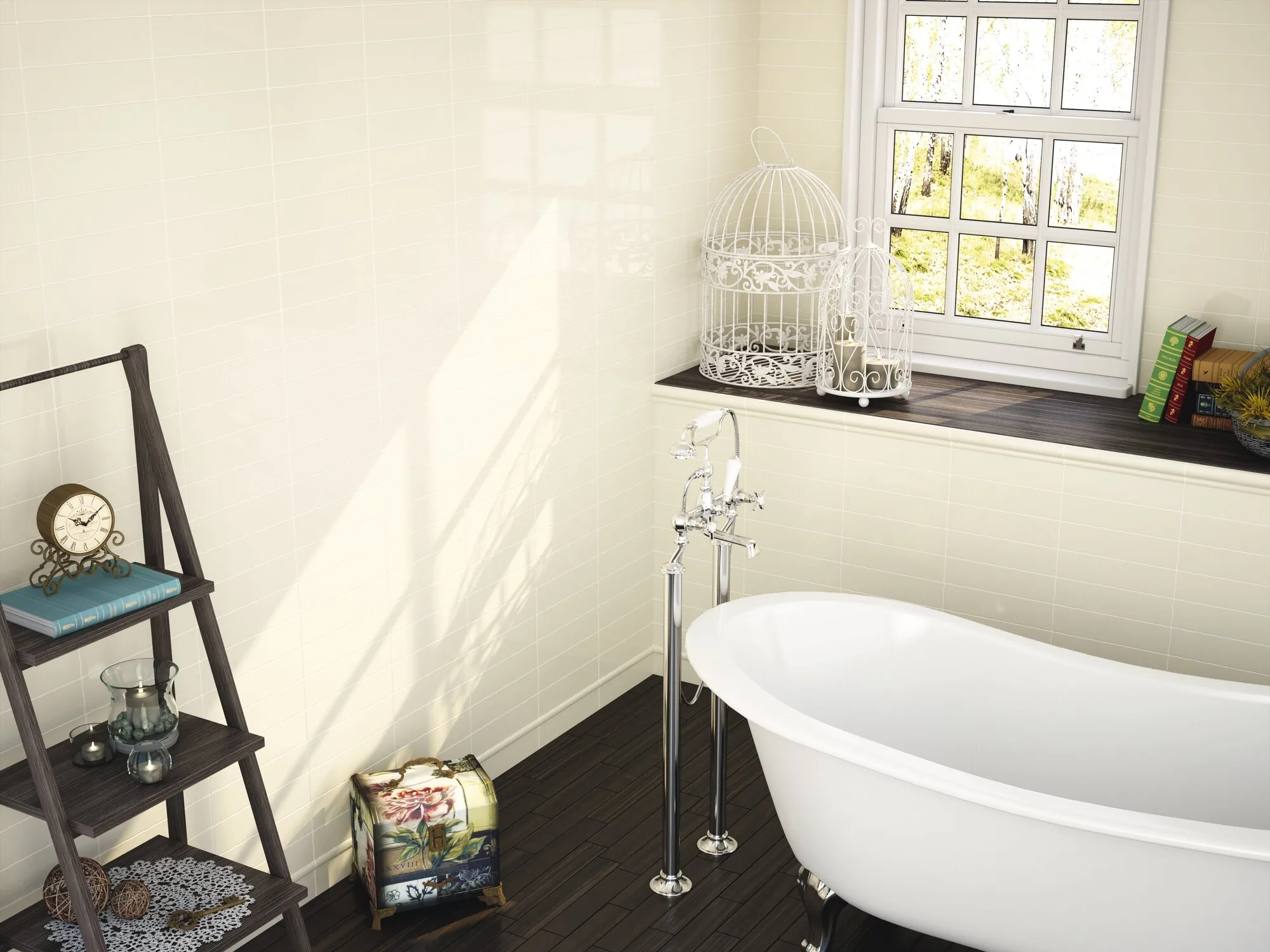
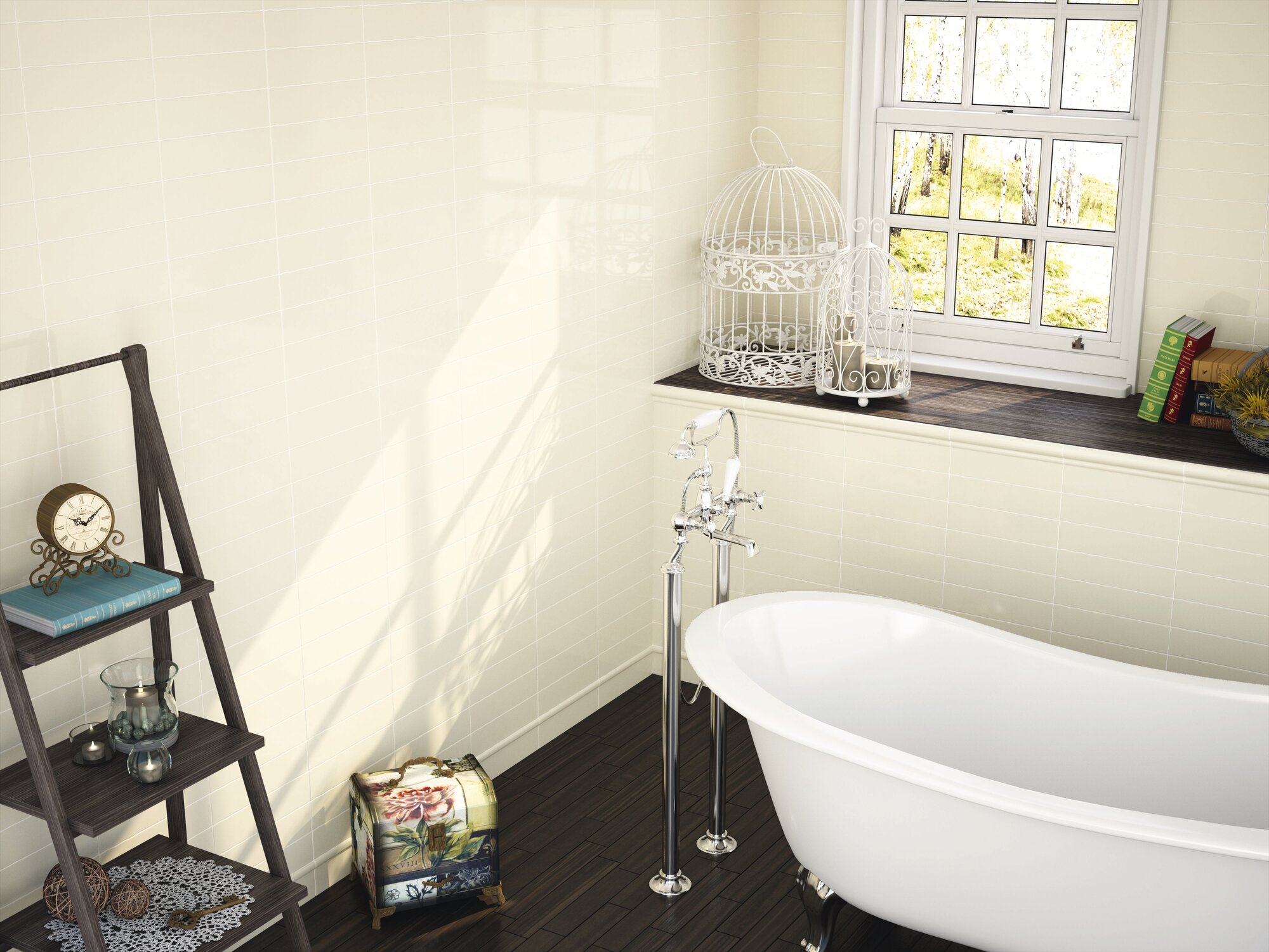
Some bathrooms feel bought; the best ones feel inherited. That is the promise of vintage bathroom tile: surfaces that look like they have always been there, from the glossy metro walls of a Paris apartment to the hexagon floors of an old New York brownstone.
In this guide we cover the styles that define the retro bathroom, the floors that anchor it, the colours leading the revival, and how porcelain lets you install seventy years of charm without inheriting a single maintenance problem.
Vintage is not one look but a family of memories. The glossy bevelled metro of early subway stations. The small hexagon floor of pharmacies and brownstones. The pastel squares of the fifties, the avocado greens of the seventies.
What they share is scale and shine: small formats, visible joints and glazes that catch the light unevenly, the exact opposite of the seamless matt surfaces of recent years. That is why retro tiles feel warm where minimalism can feel silent.
Get the floor right and the room does half the work. The classic vintage bathroom floor tile comes in three reliable scripts:
In porcelain, all three survive real bathrooms: no waxing, no fading, and grip finishes where the shower needs them.
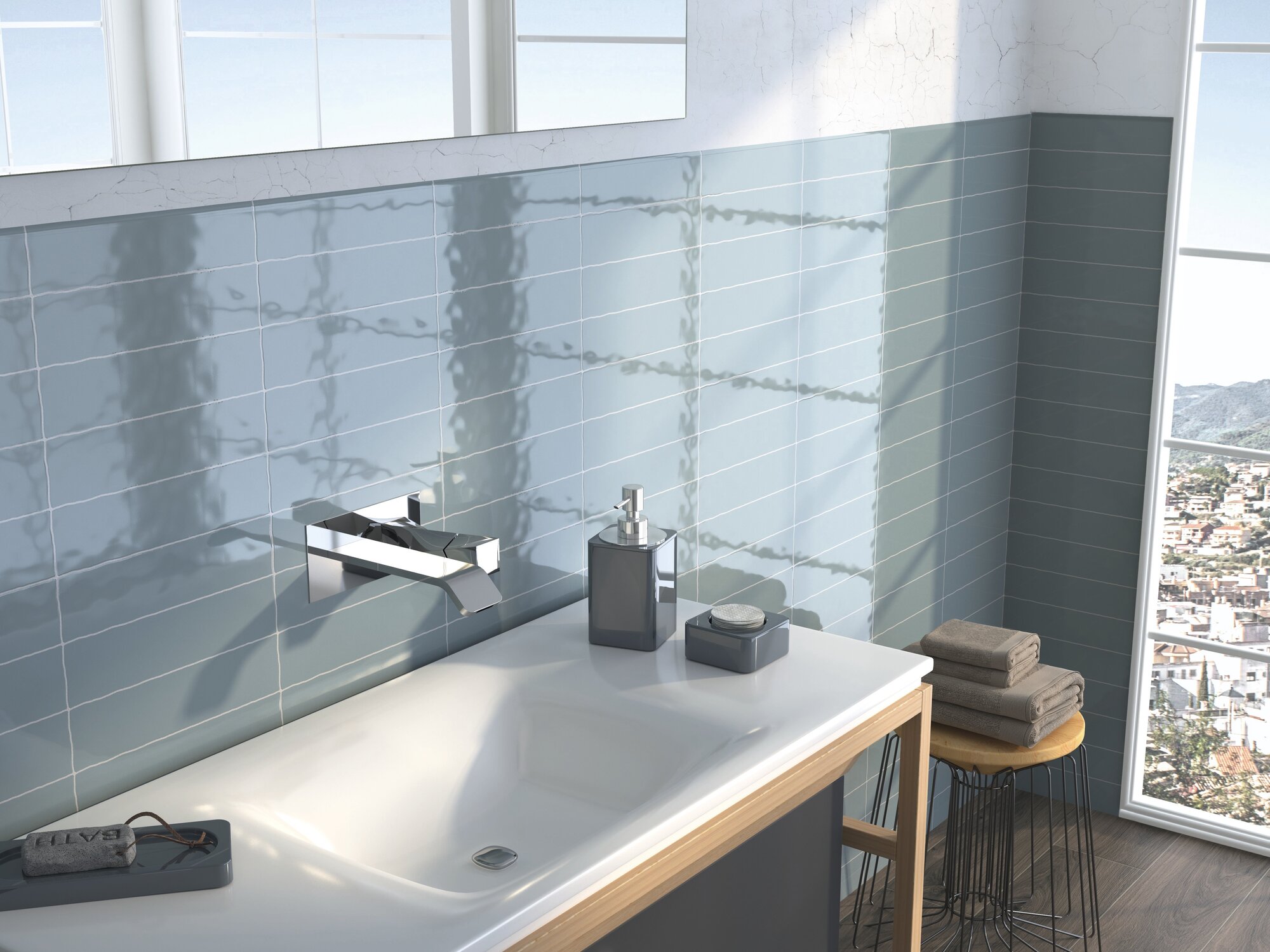
Colour is where the retro bathroom takes sides. Powder blues and ivories give the gentle, timeless version. Deeper lakes and teals nod to mid-century glamour. And the boldest revival of all is green: the vintage green tile bathroom, from sage to bottle, has jumped straight from seventies photographs to current mood boards.
The glazed, slightly bevelled pieces of the Vintage collection carry these tones with the right period shine, and the decorated squares of Fado add the patterned accent when one wall wants to sing.
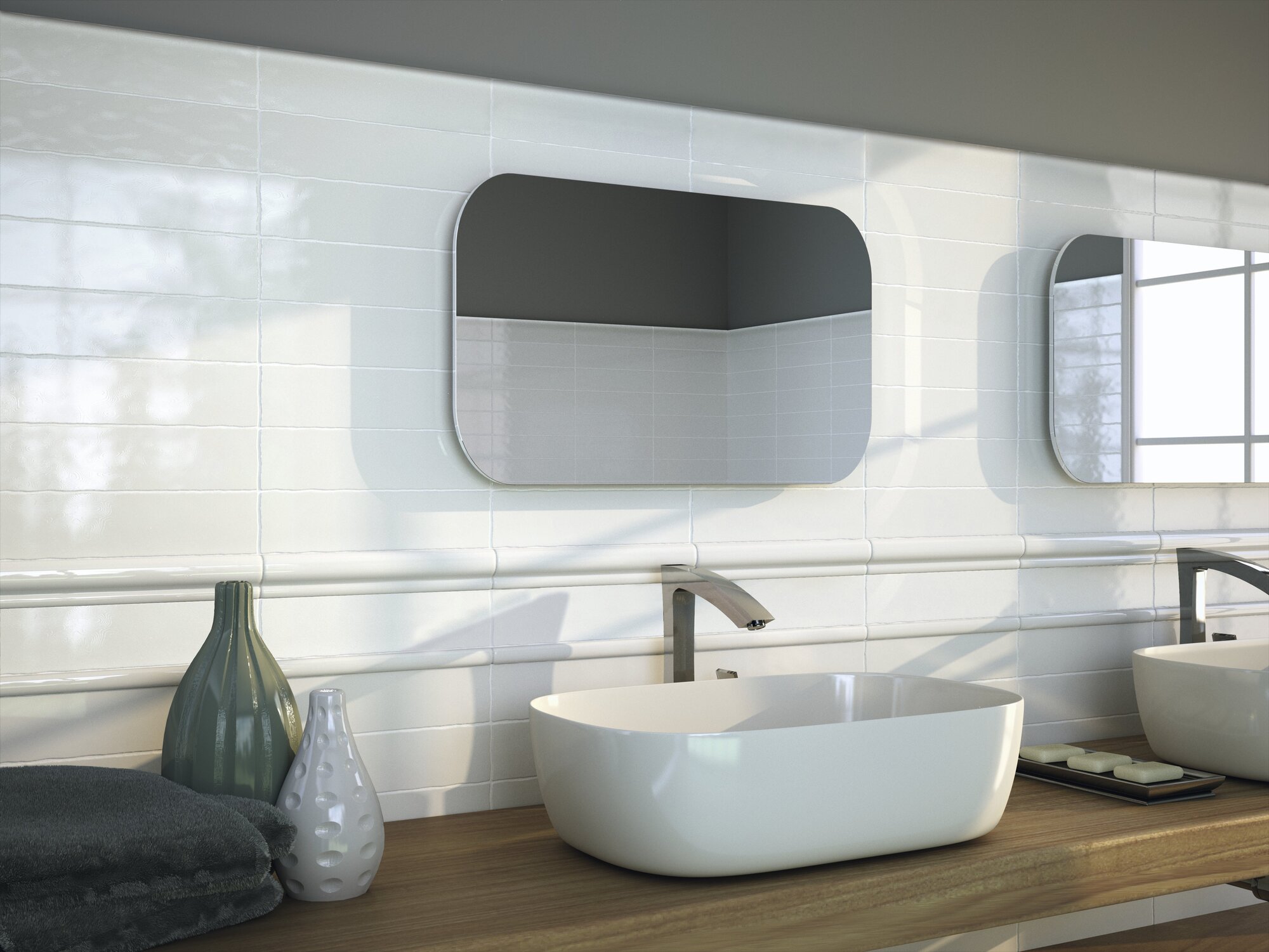
The vintage wall has one golden rule: stop at the right height. Tiling to shoulder level with a border piece, the classic wainscot, and painting above is the most authentic move in the retro repertoire, and it makes ceilings feel higher.
Bevelled metro laid in brick bond remains the standard; stacked vertical adds a modern accent without leaving the era. Glossy finishes are not optional here, the uneven shine is the vintage signature.
If you want the look to feel intentional rather than generic, it helps to choose a reference decade and stay loyal to it:
Any of the three works; mixing all three is how vintage slides into costume. The safest cocktail is one era for the tiles and one modern element for tension.
It never fully left, but it is having a strong moment: the reaction to a decade of grey minimalism has sent designers back to glazes, small formats and colour. The difference now is that the look is built in porcelain rather than salvaged.
Mix eras deliberately: retro tiles with a modern floating vanity, or a period floor under a frameless glass shower. One contemporary gesture keeps the room current; two keep it personal.
The opposite: glazed surfaces wipe clean easily and hide nothing, which is why they lived in bathrooms for a century. The porcelain versions add stain-proof joints and a colourfastness the originals never had.
A vintage bathroom tile scheme gives the newest room in the house a past worth keeping. Start with the bevelled glazes of Vintage, add a patterned accent from Fado or the artisan squares of Souk, and let porcelain handle the only part of the past nobody misses: the upkeep.




 Return