One of the most striking strategies is the creation of retail environments where fashion, tech or lifestyle brands offer spaces to linger and connect with others. These are immersive brand worlds that go beyond transactions, fostering deeper, more emotional relationships with consumers.
In a saturated market of lookalike products and services, the search for meaningful experiences has become the main driver of consumer engagement. The cultural and aesthetic homogenisation that defined the 2010s paved the way for this new evolution in retail. Just as blanding – a fusion of branding and bland – led to logos and visual identities being stripped back to minimalist, uniform designs, it also shaped the physical spaces of brands. Today, many retail interiors share a common aesthetic: neutral colour schemes, natural textures and a deliberately calming ambience. While this look aims to convey timelessness and sophistication, it also creates a craving for spaces that go further – offering a narrative, a sense of community and authentic connection.
At the same time, digital fatigue and the urge to disconnect are fuelling the development of these spaces. At a time when it’s difficult to pull consumers away from their smartphones and attention spans are shrinking, shops are responding with an invitation to pause, be wowed and enjoy unhurried conversation.
“In retail, experience has become the true protagonist of the space. Design is no longer just about product display, but about creating immersive journeys. Spaces must be agile, transformable and emotionally engaging, adapting to diverse audiences without losing coherence. The key is to create immersive environments that surprise on every visit and build long-term loyalty by aligning commercial strategy and design in a unified narrative.”
Simon Mitchell, Sybarite
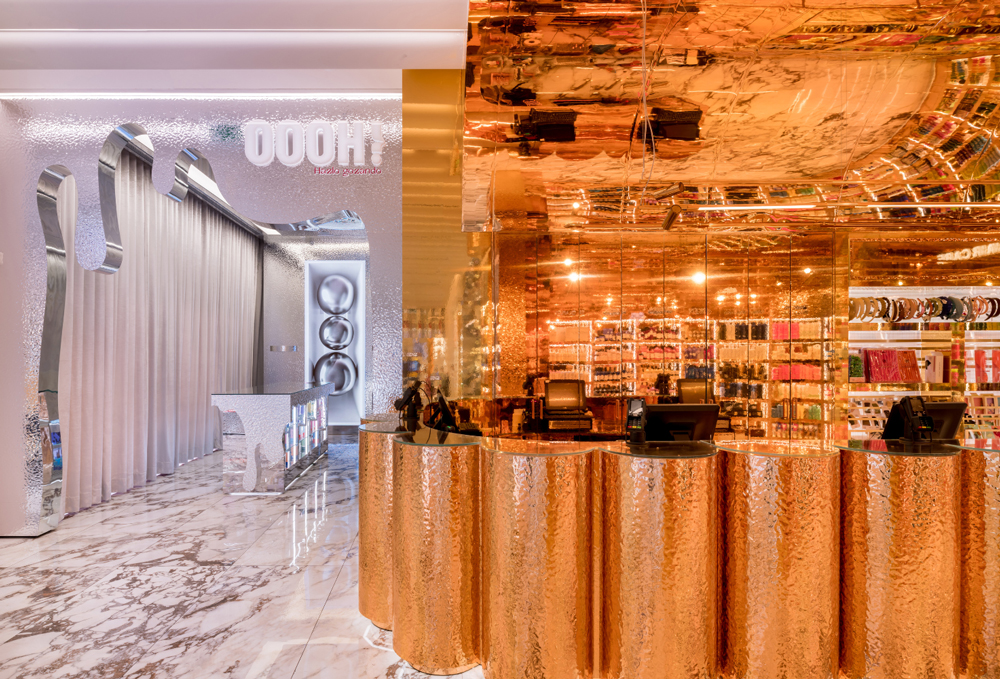
According to the report New Insights on Retail E-Commerce by the US Department of Commerce, it remains essential for brick-and-mortar retail to find strategies that attract shoppers despite the convenience of online shopping. That’s why many are turning to spaces that offer unique, in-person experiences that cannot be replicated digitally. This transformation is leading brands to explore entirely new settings – libraries, cafés, restaurants and other environments that, while offering products or services, are not focused on selling the brand’s traditional merchandise. In this evolution, the shop is no longer merely a container or facilitator of a transaction – it becomes a place to be inhabited.
Interior design in these spaces moves away from traditional commercial logic and embraces the aesthetics of hospitality and culture. The aim is not to maximise footfall but to encourage lingering: spatial layouts are designed for comfort and conversation, prioritising seating and gathering areas over fast-flow corridors.
According to the leading trends highlighted at the most recent NRF 2025: Retail’s Big Show – the annual event that brings together global retail leaders in New York – experiential retail and the creation of immersive spaces that prioritise community over transactions will be central to the future of shop design, through environments that combine shopping, entertainment, learning and community-building. These trends are reshaping how retail space is conceived: a space that doesn’t need to sell to be relevant. Architecture and interior design are embracing storytelling, creating settings that transport visitors to other worlds without prompting them to buy.
Harnessing the element of surprise by creating spaces that evoke a dreamlike, surreal or otherworldly atmosphere, turning the shopping experience into a journey into another dimension.
Each space should immerse visitors in a universe aligned with the brand’s identity. Drawing inspiration from cinema, literature or travel can help shape memorable environments that encourage exploration and discovery.
Unlike traditional commercial spaces, these environments are designed to encourage visitors to linger. This means incorporating comfortable seating, ambient lighting and pleasant acoustics that support conversation or quiet reflection. Natural materials like wood, stone and organic textiles enhance the sense of refuge.
Beyond visual impact, the aim is to turn these spaces into genuine meeting places. Furniture arrangements that promote interaction, communal tables and areas offering varying degrees of privacy allow each visitor to inhabit the space in their own way.
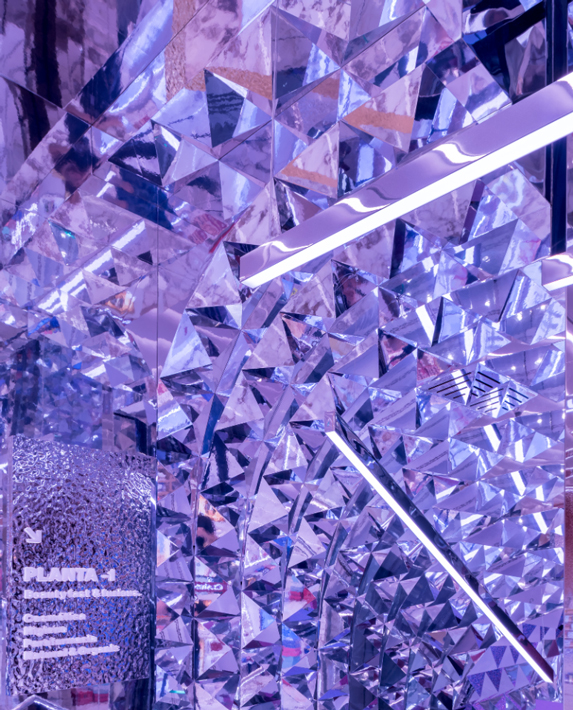
Planeta Piel immerses visitors in an emotional universe inspired by the skin and its layers, brought to life through the evocative experiential design developed by creative studio WANNA for the flagship store of the Primor perfume chain in Barcelona. Spanning three floors – basement, ground and first – the interior design offers a journey through a series of microworlds made with unexpected materials such as galvanised sheet metal and lava-effect laminates.
Credits: Javier de Paz García.
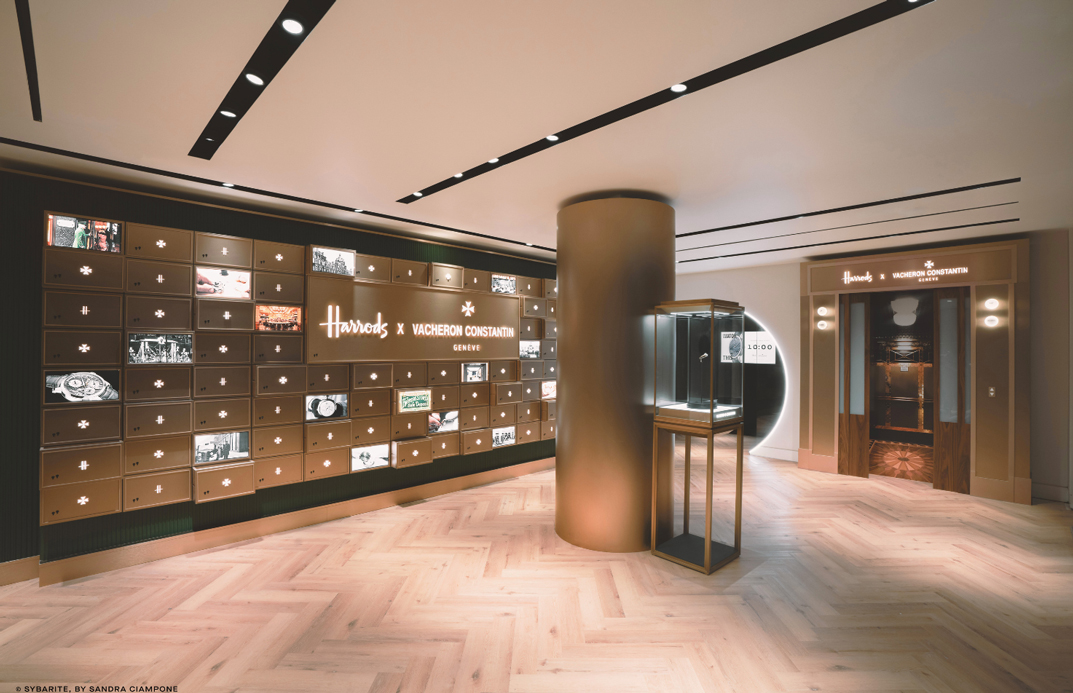
To mark its 175th anniversary, Harrods partnered with Swiss luxury watchmaker Vacheron Constantin to create a multisensory experience titled The Exceptional Voyage. Developed in collaboration with the design studio Sybarite, the VR cinema space hosting the experience featured 4D technology, tactile effects such as wind and temperature, surround sound and scent. “An immersive space designed to captivate the user and offer an escape from the rest of the retail environment,” explains Simon Mitchell, co-founder of Sybarite.
Credits: Sandra Ciampone. Courtesy of Sybarite.
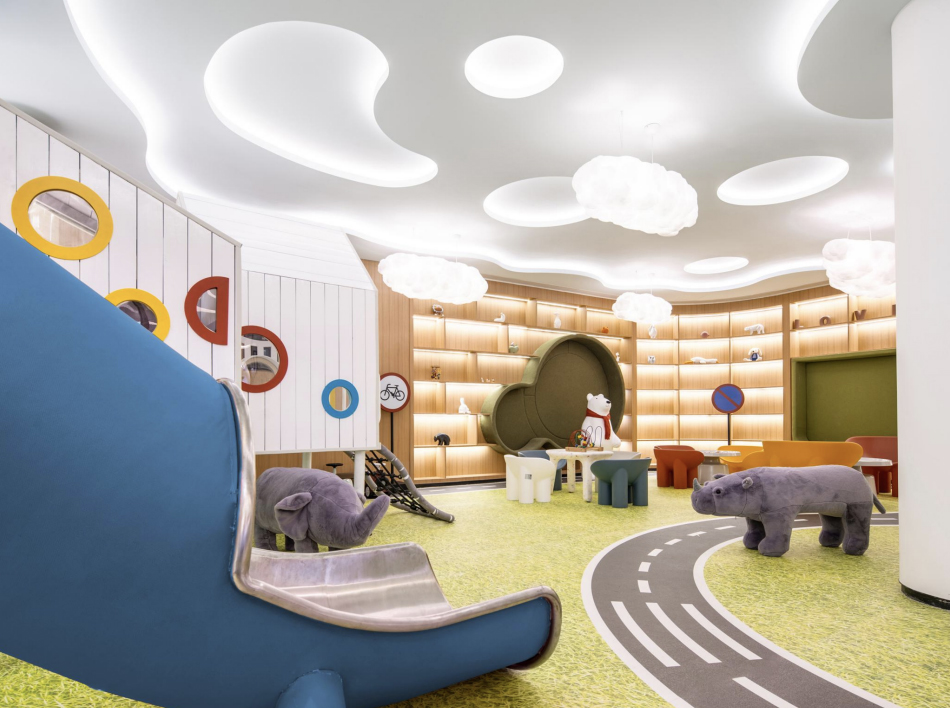
In Chongqing, China, the BMW 4S store features an interior that challenges conventional spatial design and goes beyond a single-purpose layout. Instead, it creates a holistic environment that combines exhibition, entertainment and social engagement. Rooted in the city’s natural landscape and rich cultural heritage, the space offers a range of functional zones and a host of services that enhance the 4S store experience.
Do you like this trend? Leave us a like:
Share:


Do you like this trend? Leave us a like:
0Share: